
Brand Loyalty Is Changing: What Dealers Must Do to Stay Relevant
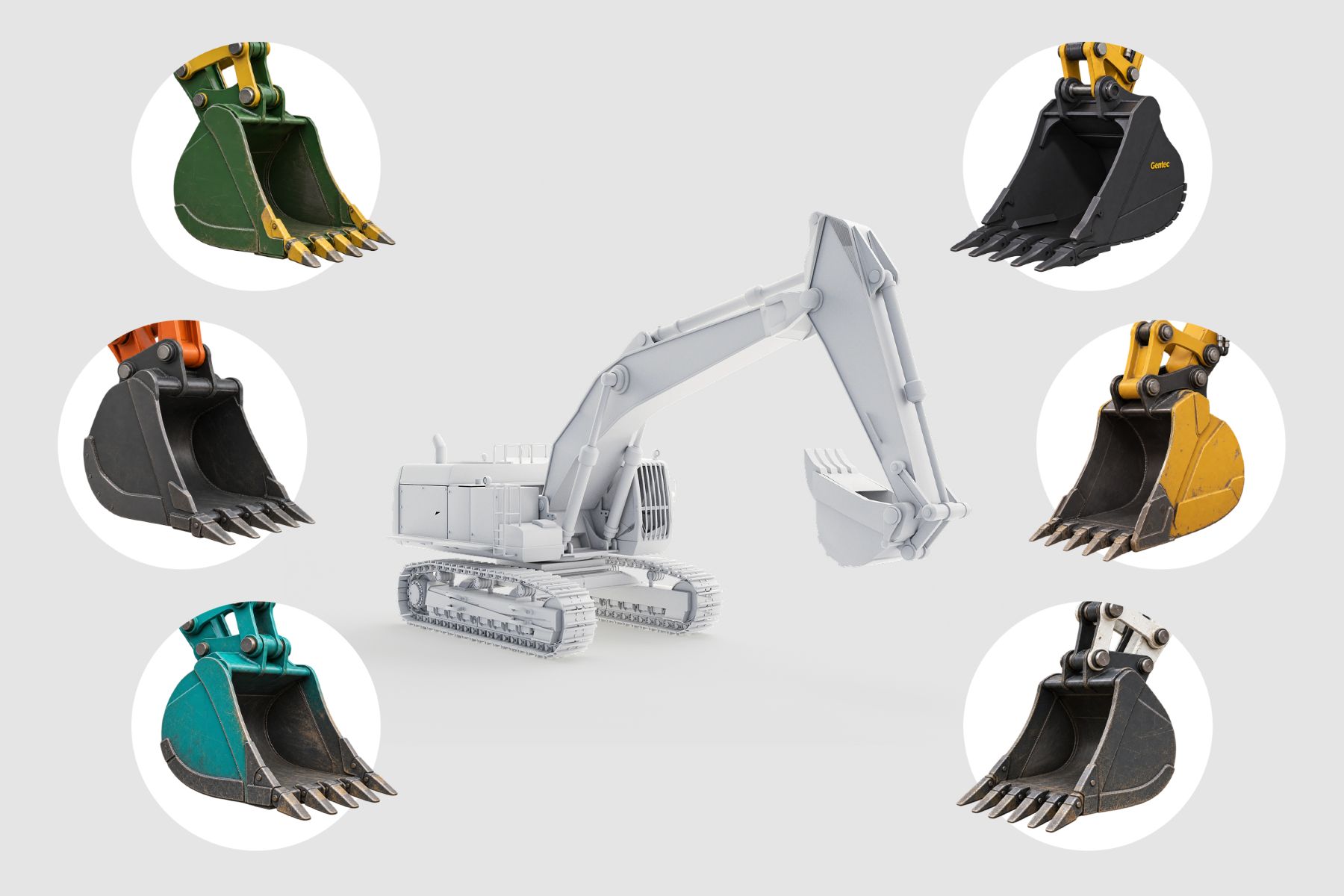
Brand loyalty runs deep in heavy equipment. Contractors stick with machines they know, operators are comfortable with the controls, and the parts and maintenance routines are familiar. So when it’s time to add another machine or attachment, sticking with the same manufacturer is often the default.
But more contractors appear willing to reconsider that choice.
McKinsey’s research on the U.S. off-highway equipment market found that roughly 50% of construction fleet owners expect to make some kind of shift in fleet brand by 2028. The tendency is stronger among larger fleets and fleet operators under the age of 50. Meanwhile, new manufacturers, including lower-cost entrants, continue to gain ground in the U.S. market.
That shift gives independent dealers more room to introduce alternatives. Contractors who once defaulted to a familiar brand are increasingly open to equipment and attachments from manufacturers they haven’t used before.
Why are buyers looking beyond familiar brands?
Buyers simply have more options. New manufacturers have entered the North American market, with some competing against established OEMs on price and simpler machines that meet the “good enough” threshold for many customers.
Labor shortages are changing the equation, too. When qualified operators are hard to find, contractors have more reason to look closely at what each equipment purchase does for productivity. In a 2025 survey by the Associated General Contractors of America (AGC) and NCCER, 92% of construction firms that were hiring said they had trouble finding qualified workers.
That puts more pressure on every equipment purchase to earn its place in the fleet.
A familiar name still matters. But when budgets and labor are tight, contractors look harder at what they’re getting for the money. Will another machine increase production? Does the fleet need more versatility? Or would the right attachment get more work out of a machine already on the payroll?
More information, but not necessarily an easier decision
Equipment buyers can easily research manufacturers, specifications, pricing, reviews, and alternatives before ever speaking with a salesperson. Yet, McKinsey found that the identify-and-research phase remains one of the lowest-satisfaction parts of the equipment purchasing journey for contractors. Understanding features, finding unbiased recommendations, and comparing equipment remain pain points.
That’s where a good dealer earns their place.
Research gives buyers plenty of information. It doesn’t always tell them which option fits the work they need to do.
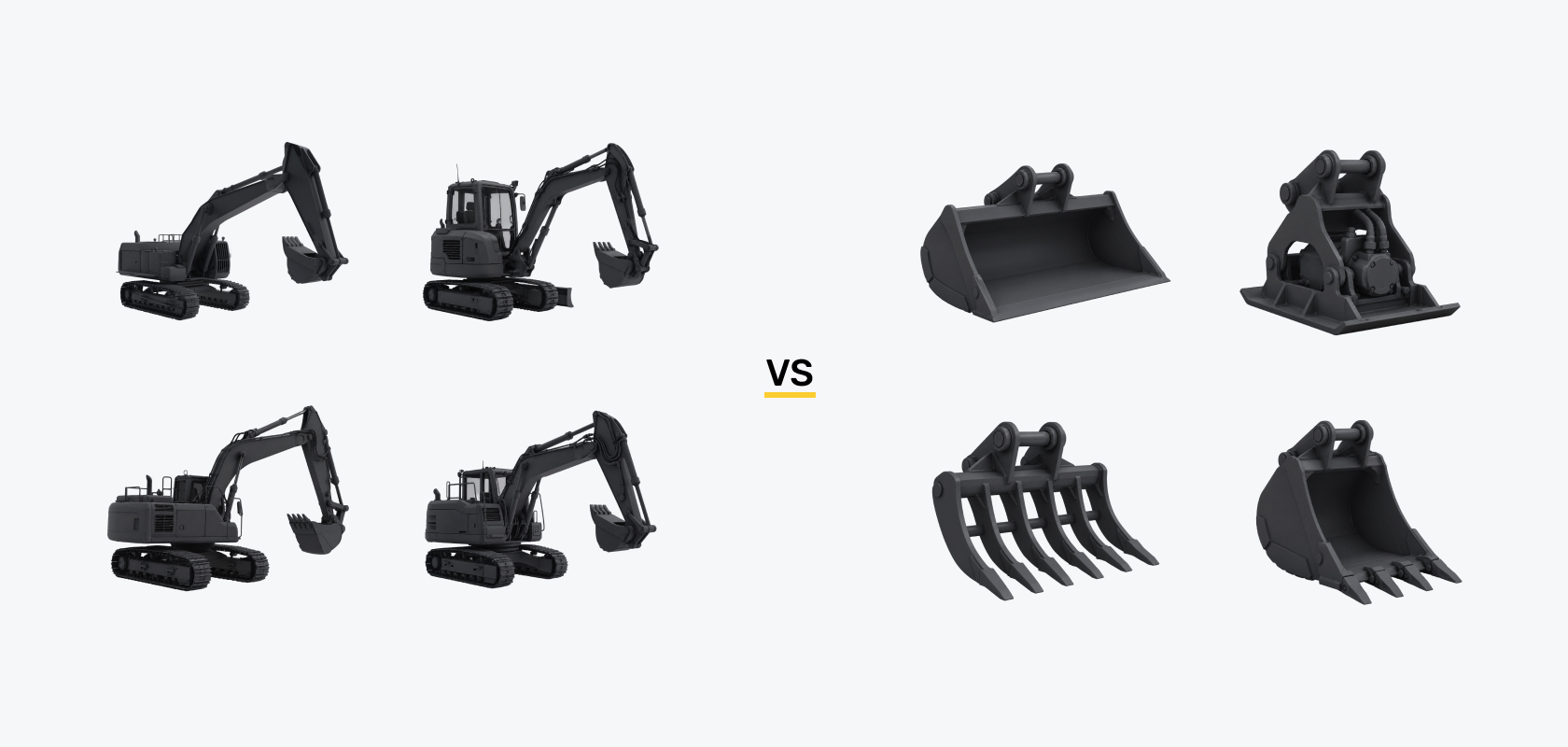
If the existing fleet is already operating at capacity, another excavator may make sense. But if the machines are sitting there and simply aren’t equipped for a certain job, buying another machine solves the wrong problem. In that case, the right attachment may put an existing asset to work without another major capital purchase.
Independent dealers have an advantage here when they aren’t limited to the machine manufacturer’s catalog. A broader attachment lineup gives them more ways to match the solution to the job.
Trying something new still comes with risk
Being open to a new brand is one thing. Being ready to invest in it is another.
An unfamiliar manufacturer raises legitimate questions about application fit, compatibility, parts availability, warranty, and supplier support. The dealer has to answer those questions before asking the customer to take a chance on an unfamiliar name. That means explaining where the product fits, how it compares with the OEM option, where the trade-offs are, and what support looks like after the sale.
Price and features only go so far. If the manufacturer is unfamiliar, customers want to know someone will stand behind the product. That puts the dealer’s reputation on the line, which is why supplier selection matters as much as product selection.
Give customers a reason to come back to the dealer
Changing brand preferences doesn’t mean contractors have stopped valuing long-term relationships. In fact, this shift may give independent dealers more room to strengthen those relationships.
If customers trust a dealer to help them make the right equipment decision, they have a reason to come back even when the brand changes. Sometimes that means another machine. Other times, it’s an attachment, a different supplier, or a better way to use equipment already in the fleet.
That takes more than product knowledge. Dealers need to understand the application, how the customer makes money with the machine, and which options make financial sense, even when the best answer isn’t the familiar brand.
Over time, that gives customers a reason to come back for the dealer’s judgment, not just a particular brand.